How to Sell Pokémon Cards Online: Pricing, Platforms, and Shipping Without Getting Burned
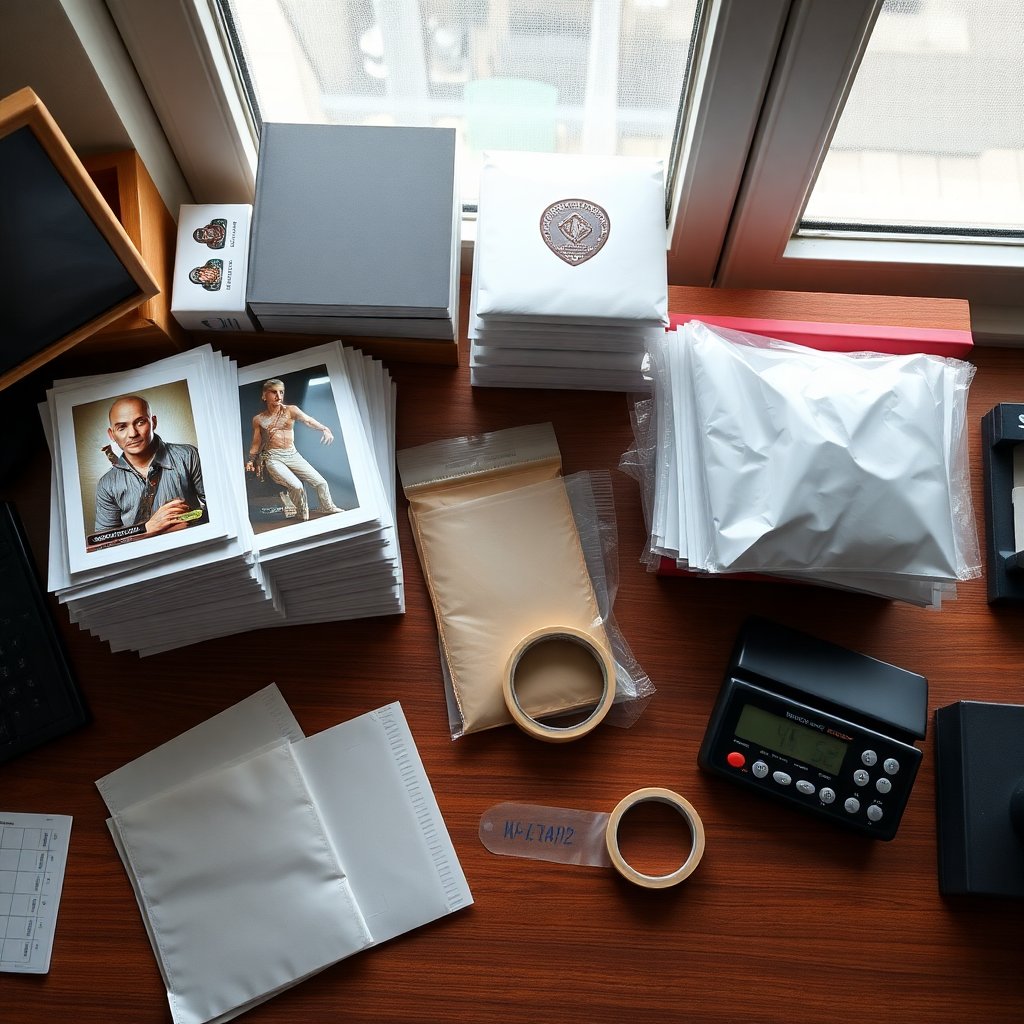
Late November is one of the best times of the year to sell Pokémon cards. Buyers are shopping for gifts, players are chasing staples from Delta Reign for the new format, and plenty of collectors want to turn duplicates into cash before the holidays. It is also the time of year when sellers make the most avoidable mistakes: pricing off wishful asking prices, shipping a $40 card in a bare envelope, or describing a played card as "near mint" and eating the return.
This guide walks through the whole process, from figuring out what a card is actually worth to getting it into a buyer's hands in the same condition it left yours.
Affiliate disclosure: As an Amazon Associate, The TCG Slayer earns from qualifying purchases. Links to supplies below are affiliate links and help support the site at no extra cost to you.
Step 1: Sort Before You Price
Separate your cards into three piles before you look up a single price. Most collections are mostly bulk, with a small number of cards that carry nearly all the value.
- Bulk: commons, uncommons, and non-holo rares that sell for cents each. These are usually best sold in lots by the hundred or thousand, or traded in at a local store.
- Mid-value singles: playable staples, popular holos, and ex cards in roughly the $2 to $50 range. This is where online marketplaces shine.
- High-value cards: alt arts, special illustration rares, vintage holos, and anything you suspect is worth more than about $100. These deserve extra care, better photos, and possibly grading.
If you have not sorted in a while, an inexpensive card sorting tray or a few row boxes save hours. Sorting by set symbol first, then by number, makes price lookups much faster.
→ Shop card sorting trays and row boxes on Amazon
Step 2: Price From Sold Listings, Not Asking Prices
The single biggest pricing mistake is looking at what sellers are asking instead of what buyers are paying. An eBay listing at $300 means nothing if the last ten copies sold for $180.
Use these sources, in this order:
- Recent sold listings on eBay. Filter by "Sold items" and match the exact card, set, and number. Ignore graded sales when pricing a raw card, and vice versa.
- TCGplayer market price. TCGplayer shows a market price based on recent completed sales on its platform. For modern singles it is usually the most reliable baseline in the US.
- Recent trend. A card that spiked after a tournament result may already be cooling off. Look at the last 30 days, not just the last sale.
Match condition honestly. A near-mint price only applies to a near-mint card. Whitening on the back edges, a soft corner, or a light scratch on the holo will push a card into lightly played, which often sells for noticeably less. If you are not sure how to judge condition, our Pokémon card condition guide breaks down each grade with examples of what to look for.
Factor in fees before you list. Marketplace and payment fees together typically take a meaningful slice of every sale, often somewhere in the low-to-mid teens as a percentage once you include processing. Shipping supplies and postage add more. A card that sells for $3 can easily net you under $2 after everything, which is why low-value singles are often better sold in lots.
Step 3: Choose the Right Place to Sell
There is no single best platform. The right one depends on what you are selling and how much effort you want to put in.
TCGplayer: best for modern singles
TCGplayer is built for exactly this. Buyers search by card, compare prices, and check out from multiple sellers at once. For playable modern cards, demand is steady and you rarely need to write a description beyond condition.
Pros: huge buyer base for singles, clear condition categories, easy pricing against the market. Cons: competitive pricing, seller levels that start with limits, and you are responsible for fast, careful shipping.
eBay: best for high-value, vintage, and graded cards
eBay is where collectors hunt for specific chase cards, vintage holos, and graded slabs. Auctions can also work well for cards with genuinely uncertain value. eBay has offered additional authentication programs for higher-value trading cards in recent years; check the current rules on eBay's selling help pages before you list an expensive card, since thresholds and programs change.
Pros: biggest audience for collectibles, auctions for price discovery, strong market for graded cards. Cons: higher fees on some categories, more time spent on photos and descriptions, and more buyer questions.
Local game stores: best for speed and bulk
Your local game store will usually buy collections, especially staples and bulk. Expect to receive well under market value in cash, because the store has to resell the card and cover its costs. Store credit offers are often noticeably higher than cash, which is a good deal if you play there anyway.
Pros: instant payment, no shipping, no fees, no returns. Cons: the lowest price per card.
Social media and local groups
Facebook groups, Discord servers, and local card shows can get you close to market price with no platform fees. The tradeoff is risk. Use payment methods with buyer and seller protections, never ship before payment clears, and be wary of anyone who pushes you to use a "friends and family" payment to avoid fees.
Step 4: Photograph and Describe Cards Like a Pro
Good photos sell cards and prevent disputes. Buyers who can see exactly what they are getting are far less likely to file a "not as described" claim.
Photo checklist:
- Front and back, always. The back shows edge whitening that the front can hide.
- Use soft, even light. Daylight from a window or a cheap LED panel works. Avoid direct overhead light that creates glare on holo and full-art cards.
- Photograph the card in a penny sleeve, not a toploader. Toploaders add reflections and hide edges.
- Close-ups of any flaws. If a corner is soft, show it. Honesty here pays off in fewer returns and better feedback.
- A plain dark background makes edges and centering easy to see.
Descriptions should be short and specific: card name, set, card number, language, condition, and any defects. For example, "Umbreon ex, Prismatic Evolutions, English, Near Mint, light whitening on one back corner (pictured)."
A small LED light panel and a phone stand will noticeably improve photos for very little money.
→ Shop small LED photo light panels on Amazon
Step 5: Should You Grade Before Selling?
Grading can multiply the value of a card that comes back with a top grade, but it costs money and time, and not every card is a candidate.
Consider grading if:
- The card is worth enough raw that a high grade would add significantly more than the grading fee and shipping.
- The card is in genuinely excellent condition: sharp corners, clean edges, good centering, and no surface scratches.
- You can afford to wait, since turnaround times at the major companies can stretch for weeks or months depending on service level.
Skip grading if the card has visible wear, poor centering, or a raw value that is close to the grading cost. A lightly played card that comes back as a mid grade can be worth less than you paid to grade it. Our full comparison of PSA, BGS, and CGC grading covers costs, turnaround times, and which company tends to command the best resale prices.
Step 6: Ship Cards So They Arrive Safely
Shipping is where sellers lose the most money, through damaged cards, lost packages, and refunds. Standardize your process and every order becomes routine.
Low-value singles
For inexpensive cards, a common hobby method is:
- Put the card in a penny sleeve.
- Slide it into a toploader or a semi-rigid card saver.
- Seal the top with a small piece of painter's tape or put the toploader in a team bag so the card cannot slide out.
- Sandwich it between two pieces of cardboard or place it in a small rigid mailer.
Many sellers ship very low-value cards in letter envelopes, and eBay has offered a tracked envelope service for low-value trading cards. Rules on rigidity, thickness, and value limits apply, so check current requirements before you rely on it. Note that the USPS can treat a stiff or uneven envelope as non-machinable, which adds a surcharge; the USPS price list shows current rates.
→ Shop toploaders and penny sleeves on Amazon
Higher-value singles and graded cards
For anything you would be upset to lose:
- Use a bubble mailer with tracking, never a plain envelope.
- Double-protect the card: penny sleeve, toploader, team bag, then cardboard or a rigid mailer inside the bubble mailer.
- Graded slabs should go in a slab sleeve and be wrapped in bubble wrap so they cannot rattle.
- Add signature confirmation or insurance on expensive cards. Check USPS insurance and extra services for current options.
→ Shop small bubble mailers for trading cards on Amazon
A small digital postage scale pays for itself quickly. Weighing every package means you never underpay postage, which can lead to packages being returned or delivered with postage due.
→ Shop digital postage scales on Amazon
Step 7: Protect Yourself From Scams and Disputes
Most buyers are honest, but the busiest shopping season attracts scammers too. A few habits protect you:
- Never ship before payment fully clears on the platform you sold through.
- Ship only to the address on the order. Requests to send to a different address are a classic scam pattern.
- Keep records. Photograph the card and the packed mailer before sealing it, especially for expensive cards.
- Watch for counterfeit swaps on returns. Some fraudulent buyers return a fake in place of the real card. Recording serial numbers on graded slabs and photographing distinguishing marks on raw cards helps you prove what you sent. Our guide to spotting fake Pokémon cards shows the tells to check when something comes back.
Selling Bulk: Turning Commons Into Cash
Bulk will never make you rich, but it adds up. A few options:
- Bulk lots online. Sorting into lots of 100 or 500 by energy type or set makes them more attractive to buyers building collections or kids starting out.
- Store buylists. Many local stores pay a flat rate per thousand commons and a bit more for holos and reverse holos.
- Donate or gift. If the money is trivial, a box of bulk makes a great present for a young player, especially around the holidays.
Taxes and Records
In the US, payment platforms and marketplaces may report your sales to the IRS once you cross certain thresholds, and those thresholds have changed several times in recent years. Keep a simple spreadsheet of what you paid for cards, what they sold for, and your fees and shipping costs. If you sell regularly, talk to a tax professional about how your sales should be reported.
Quick-Start Checklist
- Sort into bulk, mid-value, and high-value piles.
- Price from sold listings and TCGplayer market price, matched to honest condition.
- Pick the platform by card type: TCGplayer for modern singles, eBay for vintage and graded, the local store for speed and bulk.
- Photograph front, back, and flaws in soft light.
- Ship in a penny sleeve, toploader, and team bag, with tracking on anything valuable.
- Keep records of every sale.
Selling cards well is mostly about consistency. Once you have a pricing routine and a shipping station set up, each sale takes a few minutes, and the money you raise can go straight back into the cards you actually want to play or collect.
As an Amazon Associate we earn from qualifying purchases. This article contains affiliate links; if you buy through them we may earn a small commission at no additional cost to you.
Keep leveling up
More From the Squad
Set reviews, pull-rate data, and the gear the community trusts.