Pokemon TCG Energy Curve Optimization for Turn 2 Consistency
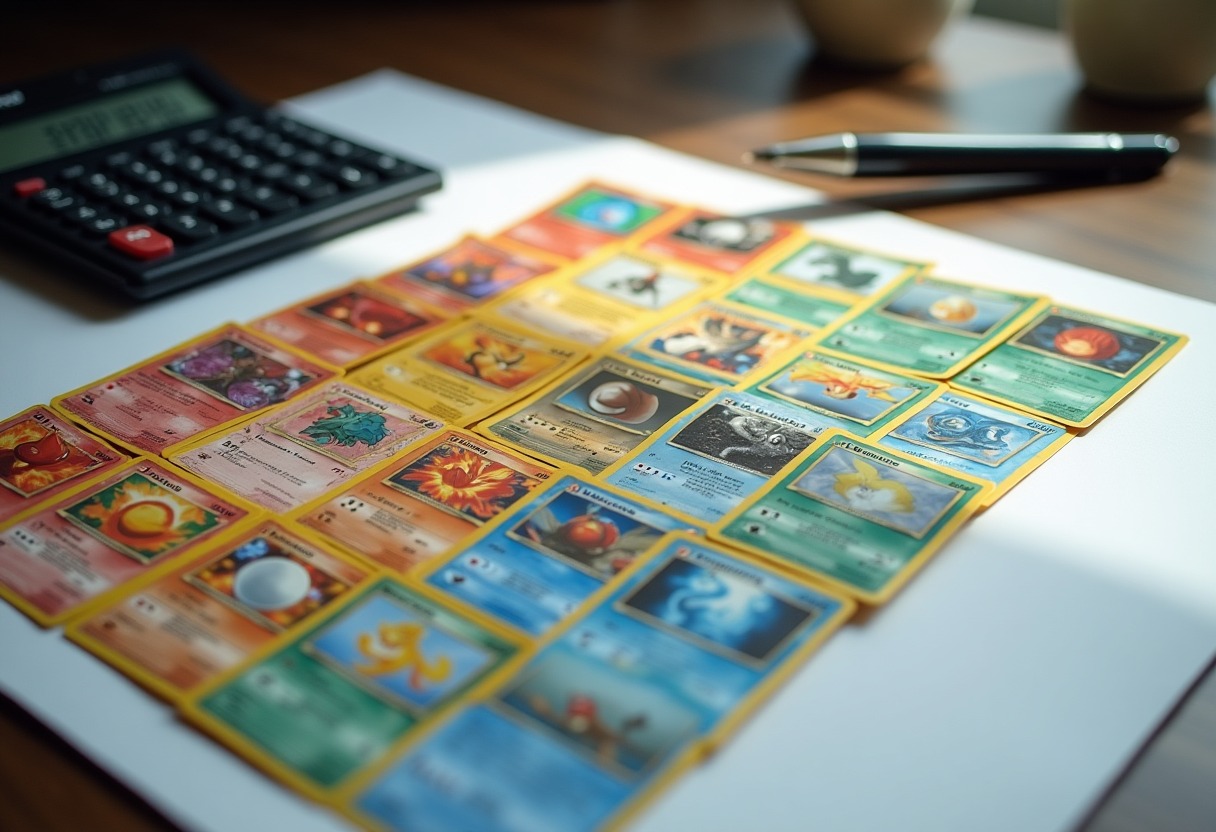
Missing a turn 2 setup costs games before they begin. The pokemon tcg energy curve determines whether your deck hits critical attacks consistently or falls behind while opponents establish board control and pressure.
Why Energy Curve Math Determines Tournament Success
Energy curve optimization directly impacts your win rate through mathematical consistency. Most competitive decks require specific energy thresholds by turn 2: two energy for evolved attackers, three energy for heavy hitters like Charizard ex, or precise combinations for multi-type strategies.
Tournament data from Limitless TCG reveals that decks missing their turn 2 energy requirements lose 73% more games than those hitting consistent setups. The energy curve encompasses three critical elements: basic energy count, acceleration cards, and curve distribution across your deck's attack costs.
Professional players calculate energy curves using the hypergeometric distribution to determine optimal ratios. A 60-card deck running 12 energy sources (basic energy plus acceleration) provides roughly 85% probability of drawing two energy sources in your opening seven cards plus turn 1 and 2 draws.
Core Energy Acceleration Cards for Consistent Curves
Energy acceleration cards reduce your dependence on basic energy draws while enabling explosive turn 2 setups. Current acceleration options fall into four categories: search effects, attachment acceleration, energy recovery, and multi-energy cards.
Professor's Research and Ultra Ball provide indirect acceleration by increasing card access, while Colress's Experiment offers energy-specific search. Direct acceleration comes from cards like Energy Retrieval, which recovers two basic energy from your discard pile, and Twin Energy, which provides two colorless energy with restrictions.
Chien-Pao ex exemplifies modern acceleration design, placing energy directly onto Pokémon from your deck. This effect circumvents normal attachment limits and enables three-energy attacks on turn 2 consistently. Similar effects appear on Energy Switch, Energy Recycler, and type-specific acceleration like Leafy Camo Poncho.
The most reliable acceleration combines multiple card types. Successful tournament decks typically run 8-10 basic energy cards plus 4-6 acceleration cards, creating 14-16 total energy sources. This ratio ensures consistent energy access while maintaining space for attackers and support cards.
Energy Curve Distribution by Deck Archetype
Different deck archetypes require specific energy curve shapes based on their attack costs and setup requirements. Single-prize decks favor flat curves with consistent one and two-energy attacks, while two-prize decks build toward three and four-energy finishers.
| Deck Archetype | Turn 1 Energy Need | Turn 2 Energy Need | Total Energy Sources | Curve Priority | |---|---|---|---|---| | Single-Prize Aggro | 1 energy | 2 energy | 12-14 | Front-loaded | | Two-Prize Evolution | 0-1 energy | 2-3 energy | 14-16 | Gradual ramp | | Control/Stall | 1-2 energy | 2-3 energy | 10-12 | Flexible access | | Combo/Engine | 0-1 energy | 1-2 energy | 8-10 | Minimal curve |
Single-prize decks like Lost Box require immediate energy access for cards like Comfey and Sableye. These decks run higher basic energy counts (10-12) with minimal acceleration, prioritizing consistent one and two-energy attacks that trade prizes efficiently.
Two-prize evolution decks need ramping curves that enable expensive attacks by turn 3-4. Charizard ex decks exemplify this approach, running Charmander and Charmeleon with one-energy attacks while building toward Charizard ex's three-energy Burning Darkness. These decks balance 8-10 basic energy with 4-6 acceleration cards.
Control decks optimize for flexible energy access rather than speed. They run Professor's Research and Ultra Ball for card selection, maintaining lower energy counts while accessing specific types on demand. The curve stays flat across multiple attack costs rather than spiking at specific thresholds.
Essential Products for Energy Curve Testing
Testing energy curves requires proper organization and proxying tools to evaluate ratios before committing to expensive cards. Quality storage keeps energy cards accessible during deck construction, while playmats provide consistent testing surfaces.
→ Shop pokemon energy cards on Amazon offers complete energy sets for testing different type combinations. Official energy cards maintain consistent thickness and feel during shuffle tests, crucial for accurate curve evaluation.
→ Shop pokemon deck building sleeves on Amazon protects cards during repeated testing sessions. Premium sleeves prevent wear on expensive cards while maintaining shuffle consistency across test games.
→ Shop pokemon card dividers on Amazon organizes energy cards by type during deck construction. Clear dividers speed up ratio adjustments and prevent mixing energy types accidentally.
→ Shop pokemon playmat on Amazon provides consistent testing surfaces for energy curve evaluation. Tournament-legal playmats ensure your testing environment matches competitive conditions.
For comprehensive deck protection during testing, check our guide on Best Pokemon Card Sleeves Storage Collectors which covers premium sleeve options for serious players.
Advanced Energy Curve Calculation Methods
Beyond basic ratios, advanced curve optimization uses probability mathematics to fine-tune energy counts for specific matchup requirements. The hypergeometric calculator determines exact probabilities for drawing energy combinations, while playtesting validates theoretical calculations.
Calculate your optimal energy count using this formula: desired consistency percentage × 60 cards ÷ cards drawn by target turn = minimum energy sources needed. For 90% consistency hitting two energy by turn 2 (9 cards seen), you need approximately 15 energy sources total.
Energy search ratios matter more than total counts in some cases. Running 8 basic energy plus 6 Energy Search creates different draw patterns than 14 basic energy. Energy Search provides deck thinning benefits but offers less immediate energy access than basic energy cards.
Type distribution within your energy base requires careful consideration for multi-type decks. The 60/40 rule suggests your primary type should comprise 60% of energy sources, with secondary types filling the remainder. This ratio ensures consistent access to primary attackers while supporting secondary strategies.
Modern energy acceleration changes these calculations significantly. Decks running Professor's Research and Ultra Ball effectively increase their energy source count through card selection. Factor these effects into your total energy source calculations rather than counting them separately.
For additional deck building fundamentals, our Pokemon Tcg Mulligan Guide explains how energy ratios affect opening hand consistency and mulligan decisions.
FAQ
What's the minimum energy count for consistent turn 2 setups in Pokemon TCG? Most competitive decks require 12-14 total energy sources (basic energy plus acceleration cards) for 85% consistency hitting two energy by turn 2. Single-prize aggro decks can run as few as 10 sources due to lower energy attack costs, while evolution decks often need 14-16 sources to support expensive late-game attacks. Calculate your specific needs based on your deck's attack costs and acceleration options.
How do energy acceleration cards affect optimal basic energy ratios? Energy acceleration cards reduce basic energy requirements while improving consistency. Each acceleration card typically replaces 0.5-0.75 basic energy cards depending on the effect type. Energy Search and Professor's Research provide 1:1 replacement value, while cards like Energy Retrieval offer higher value but require setup. Aim for 60% basic energy and 40% acceleration cards in most competitive builds.
Should I adjust energy curves for specific tournament metagames? Yes, metagame composition directly impacts optimal energy curves. Fast aggro metas favor front-loaded curves with maximum turn 1-2 energy access, while control-heavy metas allow gradual energy ramping over multiple turns. Monitor tournament results and adjust your energy count ±2 cards based on expected matchup spread. Higher basic energy counts improve consistency against disruption strategies.
What energy curve mistakes cause the most tournament losses? The most common mistake is running too few total energy sources, causing missed energy drops in 25% of games. Over-reliance on acceleration without sufficient basic energy creates vulnerability to disruption effects like Path to the Peak or Professor's Research discards. Running incorrect type ratios for multi-energy decks causes frequent color screw situations. Calculate your curves mathematically rather than guessing optimal ratios.
How do special energy cards change energy curve calculations? Special energy cards like Twin Energy or Aurora Energy provide unique effects but count as single cards in probability calculations. Twin Energy effectively provides two colorless energy but occupies one deck slot, improving your energy density. However, special energy cards often have restrictions or can be countered by cards like Lost Vacuum. Include special energy in your total energy source count but maintain sufficient basic energy for reliability against counter-strategies.
Master energy curve optimization and your tournament results improve immediately through consistent setup execution rather than hoping for lucky draws.
Some links on this page are affiliate links. We may earn a small commission if you purchase through them, at no extra cost to you.
As an Amazon Associate we earn from qualifying purchases. This article contains affiliate links; if you buy through them we may earn a small commission at no additional cost to you.
Keep leveling up
More From the Squad
Set reviews, pull-rate data, and the gear the community trusts.